Forklift Truck Training
Understand pre-use checks, load handling, stability, pedestrian awareness and safe travel around warehouse or yard environments.
Build safer working habits and stronger equipment awareness with practical training topics for forklift operators, mobile plant users and industrial teams. Explore key skills, workplace preparation and safe operating principles.
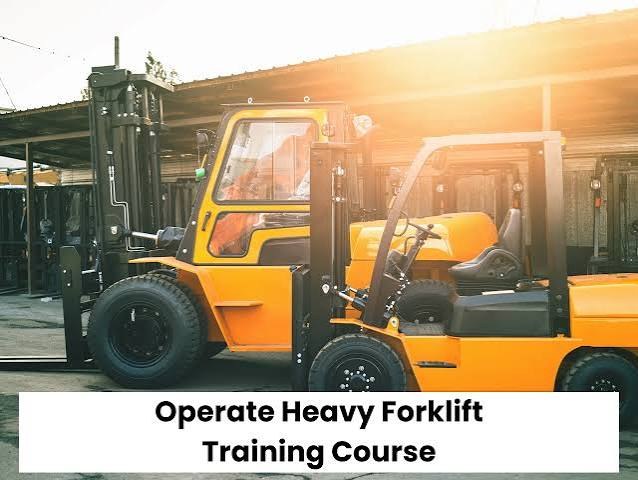
Training should reflect the equipment, work environment and responsibilities of each operator. These are common subject areas to consider when planning workplace instruction.
Understand pre-use checks, load handling, stability, pedestrian awareness and safe travel around warehouse or yard environments.
Explore safe operating practices for mobile plant, including site awareness, exclusion zones, visibility and equipment limitations.
Help teams recognise hazards, follow site procedures, communicate clearly and coordinate vehicle movements safely.
Review turning awareness, manoeuvring space, load control and the importance of equipment-specific familiarisation.
Learn about safe work zones, ground conditions, visibility, bucket awareness and communication with nearby workers.
Cover load capacity, route planning, manual handling considerations and safe separation between people and moving equipment.
Good operator practice begins before the equipment moves. Employers and operators should follow applicable UK requirements, workplace risk assessments and the manufacturer's instructions.
Effective instruction combines relevant knowledge with supervised practical experience and assessment where required. Training needs can differ depending on equipment type, attachments, loads, site layout and an operator's previous experience.
Sharing the right details helps a training provider identify the most relevant course or instruction for your team.
Clear procedures, maintained equipment and regular communication all contribute to safer operations. Training works best when reinforced by day-to-day supervision, site rules and a culture where workers feel able to report hazards.
Review your training arrangements whenever equipment, tasks, work areas or relevant safety requirements change.
General answers to common questions about forklift and mobile plant operator training.
Anyone required to operate workplace equipment should receive suitable training for the equipment and task, along with any necessary familiarisation and authorisation from their employer.
Yes. Refresher instruction can help reinforce safe habits and address changes in equipment, workplace layout, operating procedures or an individual's performance.
Some providers offer on-site training, depending on the equipment, facilities, risk controls and course requirements. Confirm availability and suitability directly with the provider.
No. This informational page does not issue certificates or represent that a specific course is accredited. Confirm course content, assessment and certification arrangements with the training provider before booking.
Identify the equipment, site requirements and training needs before contacting a suitable training provider.
Replace the contact email if a different monitored address is used. Verify all course, accreditation and service details before publishing claims about specific offerings.